What Nobody Tells You About Art Gallery Success

AheadFin Editorial
Key Takeaways
- High foot traffic doesn't guarantee art sales; financial sustainability is key.
- Cultural engagement must translate into economic outcomes for gallery success.
- Establishing a strong brand identity is crucial in the competitive art market.
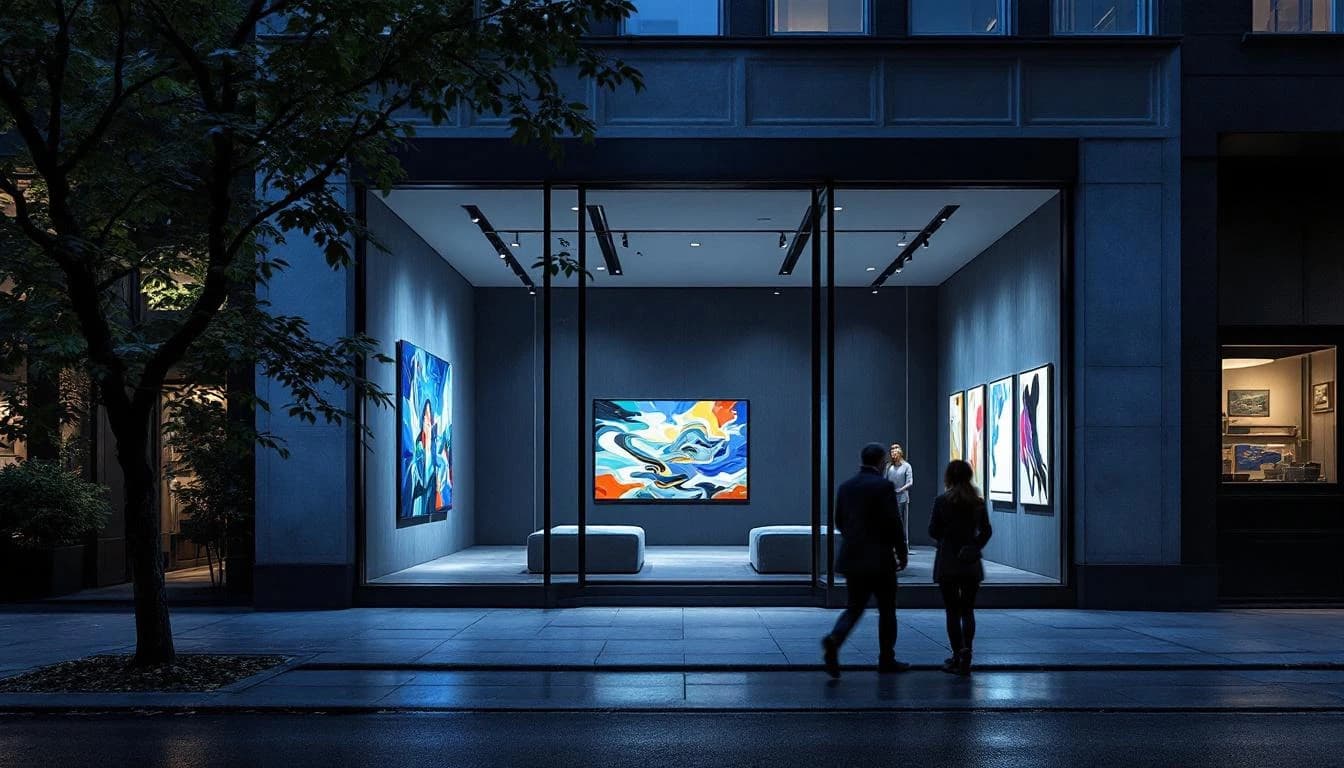
The art world was rocked in 2025 when a small gallery in Chelsea, New York, abruptly closed its doors despite record foot traffic and seemingly successful exhibitions. The gallery, known for showcasing modern contemporary art, had recently hosted an exhibit by a rising star, capturing the frenetic energy of urban life with canvases that seemed to vibrate with kinetic motion. Despite the buzz, a deeper look into the gallery's closure reveals a story of misjudged priorities and overlooked fundamentals that offer valuable insights into the intersection of art, success, and perception.
The Surface Illusion
To the casual observer, the gallery appeared to be thriving. Monthly visitor numbers soared, reaching a peak of about 15,000 during its final year.an impressive figure for a gallery of its size. Exhibitions were frequently covered by major publications, and social media was buzzing with check-ins and photo tags, suggesting strong engagement. The gallery’s Instagram following grew by 40% in just a few months, cementing its status as a cultural hotspot. These metrics painted a picture of success, attracting even more artists eager to display their work in such a dynamic venue.
However, behind this façade of success lay a different reality. The gallery was struggling financially, with overheads outpacing income despite the apparent popularity. Revenue from art sales was inconsistent, with only a fraction of visitors translating into buyers. The management assumed that increased foot traffic would naturally lead to higher sales, a common misconception in cultural economics. They failed to account for the difference between audience engagement and financial sustainability, a gap that eventually proved fatal.
Digging Into the Underlying Causes
The closure wasn’t just a case of financial mismanagement; it was symptomatic of deeper misconceptions about the value of cultural capital versus financial capital. The gallery had placed its bets on cultural cachet.believing that maintaining a high-profile roster and attracting a steady stream of visitors would suffice. They overlooked the necessity of converting cultural interest into tangible economic outcomes.
Cultural consumption patterns reveal that interest doesn’t always align with monetary transactions. A study by the National Endowment for the Arts highlighted that while over of Americans engage with art through museum visits or online platforms annually, only a small fraction invest in art purchases. This phenomenon, known as hedonic adaptation, suggests that while experiences of art and culture enrich lives, they don’t necessarily trigger economic exchange.
Sources
- 1.National Endowment for the ArtsNational Endowment for the Arts
- 2.Consumer Financial Protection BureauConsumer Financial Protection Bureau
Want more like this?
One email a week with money tips, new tools, and insights you can actually use.
Delivered every Monday.