Cultural Decline in Cities: The Case of San Francisco

AheadFin Editorial
Key Takeaways
- San Francisco's cultural decline stems from skyrocketing rents and a tech-centric focus.
- Art galleries and local events have diminished, reflecting a shift away from community-driven culture.
- To revive cultural vibrancy, cities must balance economic growth with support for the arts.
Why do some cities end up as cultural graveyards while others thrive as creative hotspots?
The Subject
Consider San Francisco, once the undisputed darling of tech innovation but now suffering a noticeable decline in cultural vibrancy. Rent spikes, a heavy tech industry focus, and a marked exodus of artists and creatives have turned the City by the Bay from an artistic haven to, as some might say, a cultural ghost town. This sharp decline wasn't widely anticipated. For years, San Francisco seemed invincible, a signal for dreamers in search of opportunity. However, what happened was a classic example of cultural myopia.where financial capital was prioritized over cultural capital.
Look back to the late '90s, a time when the city was more Kurt Cobain than Silicon Valley. The Mission District buzzed with eclectic energy, a heady mix of bohemian artists and forward-thinkers. Fast forward to the present, and you'll find a stark shift: rentals have surged over 50% in just a decade, according to recent data from the city's housing authority. This economic squeeze pushed artists out, replacing vibrant murals with sleek tech logos.
Such shifts were not isolated. Similar patterns emerged in other cities, like New York's Soho or Austin's East Side. But why didn't anyone sound the alarm bell sooner? By examining San Francisco's plight, we reveal a cautionary tale about the fragile balance between cultural growth and economic expansion.
The Symptoms
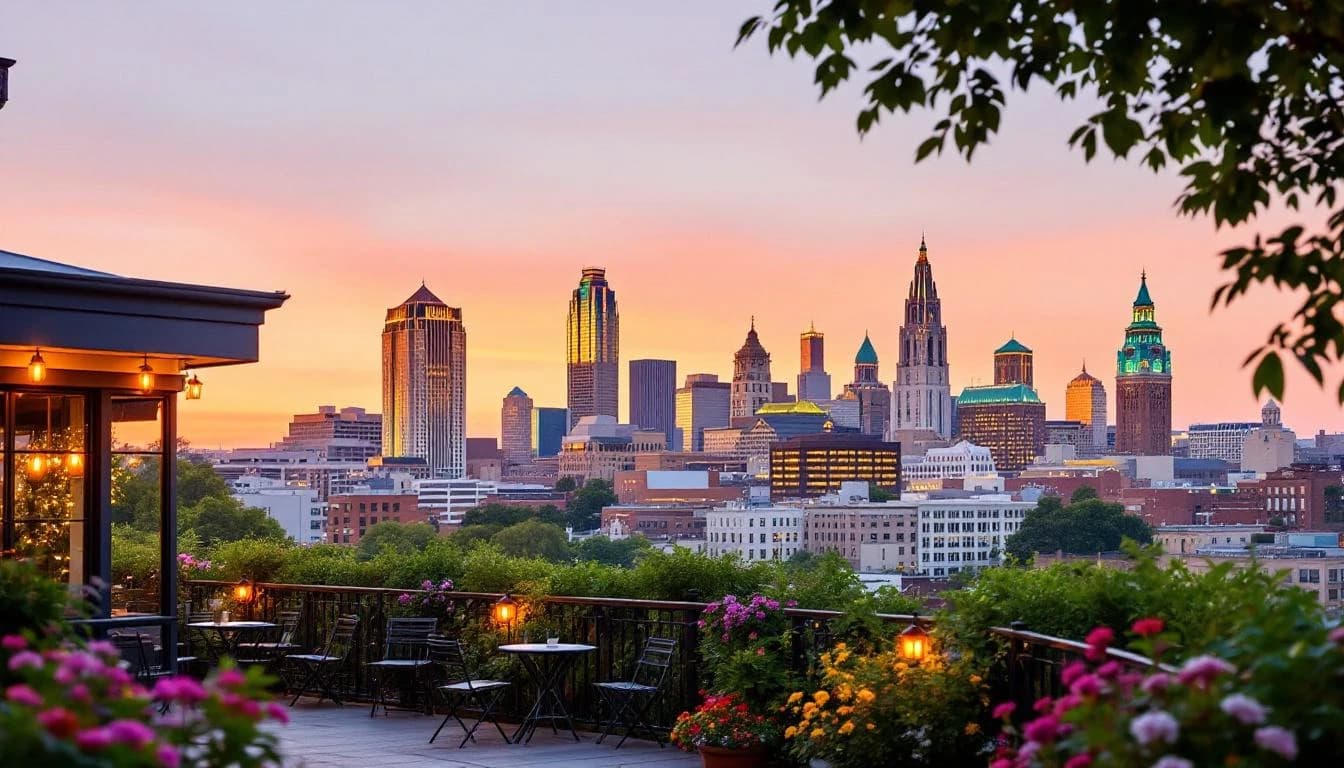
At first glance, San Francisco appeared to be thriving. The influx of high-paying tech jobs led to a boom in construction and business activity. New restaurants sprouted like mushrooms after a rainstorm, nightlife thrived, and artisanal coffee shops became ubiquitous. Tourists flocked in, lured by the city’s reputation and iconic landmarks.
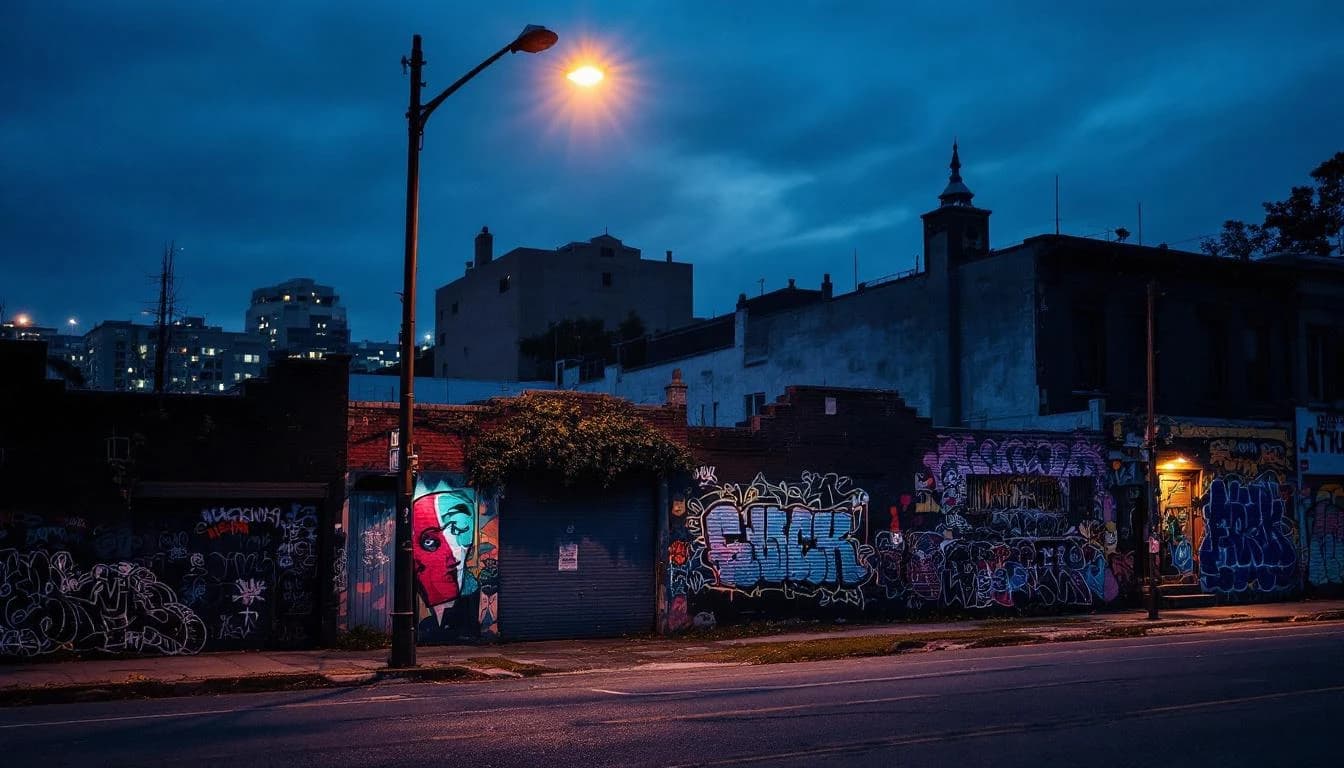
However, beneath this glossy exterior, subtle signs of decay emerged. Local art galleries began to shutter as rents leapt skyward. Long-standing cultural institutions faced closures or relocations, unable to compete with the burgeoning property market. Once-vibrant neighborhoods grew eerily quiet, artists replaced by an influx of tech workers unfamiliar with the city's creative lifeblood.
A noticeable shift in local events further underlined these symptoms. In 2018, only 15% of San Francisco's cultural festivals were art-focused compared to 35% in 2005.a striking drop, as reported by the city's arts council. It's a phenomenon often referred to in academic circles as the 'cultural consumption decline.' People were not investing their time in artistic endeavors or community-driven projects but rather in tech-centric pursuits.
Sources
- 1.Cultural AffairsCity and County of San Francisco
- 2.The Economic Impact of Arts and CultureNational Endowment for the Arts
Want more like this?
One email a week with money tips, new tools, and insights you can actually use.
Delivered every Monday.