Geo-Arbitrage: The Surprising Appeal of Tulsa Living

AheadFin Editorial
Key Takeaways
- Geo-arbitrage allows you to maximize quality of life by relocating to lower-cost areas.
- Tulsa, Oklahoma, offers remote workers $10,000 to move, attracting over 1,800 applicants.
- Living in Tulsa can save you nearly 40% on living costs compared to major coastal cities.
I once believed that the key to happiness lay in acquiring as many designer throw pillows as possible.a belief I now classify under "questionable life choices." This frivolous pursuit of fluffery led me to a discovery: a fascinating, not-so-obvious cultural phenomenon known as geo-arbitrage.
The Subject
Geo-arbitrage, in its simplest form, means exploiting the cost differences between geographic locations to maximize your quality of life. The term might conjure images of globe-trotting digital nomads sipping artisanal coffee in Bali, but let’s zero in on an unexpected case study.one involving a city not typically associated with economic ingenuity: Tulsa, Oklahoma.
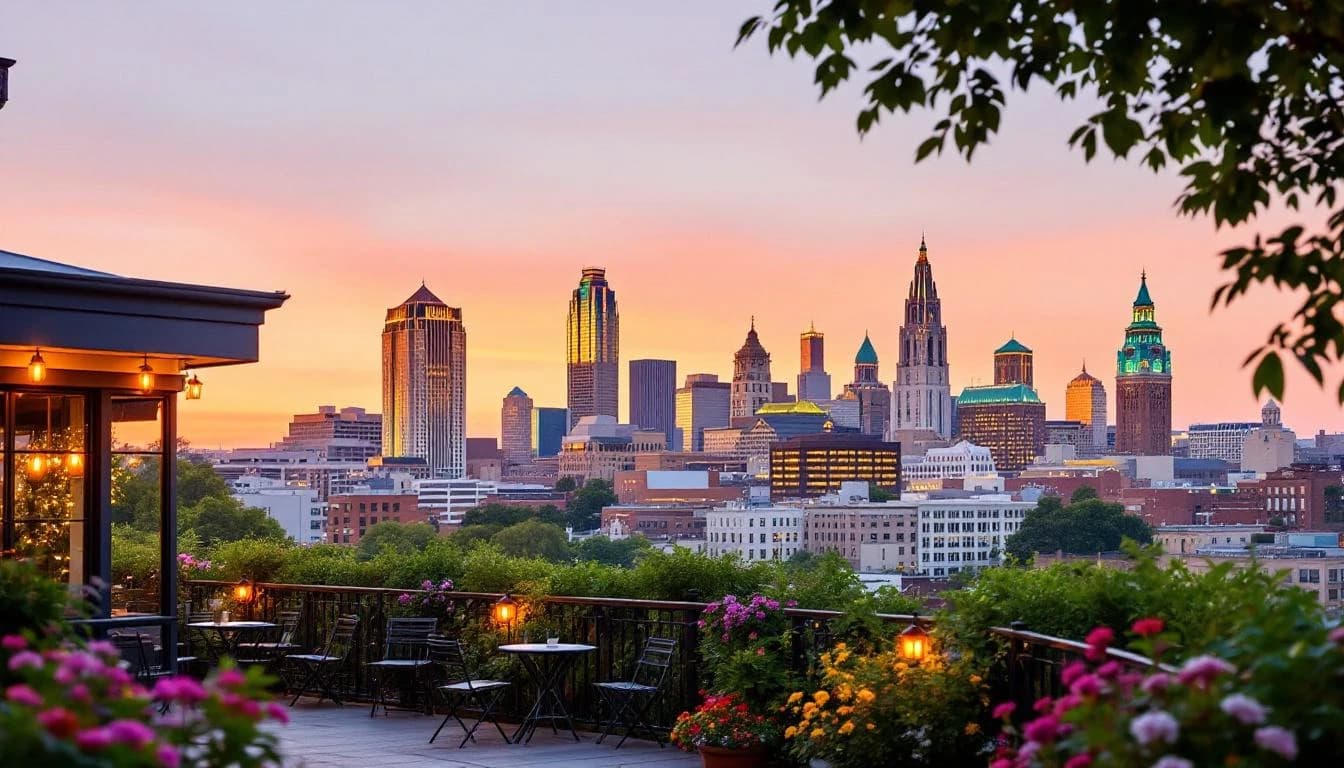
Tulsa? Yes, Tulsa. Known for its rich Art Deco architecture and the annual Mayfest, Tulsa has become an unlikely star in the geo-arbitrage scene. A few years back, the city launched a program offering $10,000 to remote workers willing to relocate there for at least a year. The results? Over 1,800 people applied in less than two months. A move this successful demands a deeper look, especially when considering why these modern pioneers traded their urban jungles for Oklahoma’s plains.
The Symptoms
On the surface, the phenomenon of mass relocation to Tulsa seemed like a classic case of financial opportunism. Who wouldn’t jump at the chance to pocket ten grand simply for moving? But there were other lures: Tulsans enjoyed a cost of living nearly 40% lower than major coastal cities, according to data from the Council for Community and Economic Research. For many, trading the cramped, exorbitant rentals of Silicon Valley or Manhattan for spacious homes at bargain prices was a no-brainer.
There was, however, more at play than just the allure of bigger spaces and smaller expenses. The program targeted remote workers, a group that had become increasingly untethered from traditional office spaces thanks to the rise in telecommuting. The COVID-19 pandemic had accelerated this shift, making the possibility of living anywhere more tangible than ever before. The offer of financial incentive, coupled with the ability to reimagine their lifestyle, attracted a diverse set of individuals looking for change.
Consider the case of Jane, a software engineer from San Francisco. Dismayed by her diminishing returns on happiness despite a six-figure salary, she seized the opportunity to move. In Tulsa, she found she could engage in community events, explore interests like pottery, and even save for a future vacation.all without financial anxiety. Jane’s case is not isolated; it’s emblematic of a broader trend.
Sources
- 1.Consumer Expenditure SurveysBureau of Labor Statistics
- 2.Remote Work and TelecommutingBureau of Labor Statistics
Want more like this?
One email a week with money tips, new tools, and insights you can actually use.
Delivered every Monday.