Crafting Strong Business Narratives for Success

AheadFin Editorial
Key Takeaways
- WeWork's rise and fall highlights the importance of substance over storytelling in business.
- Craft compelling narratives, but ensure they align with solid operational fundamentals.
- Avoid the pitfalls of overvaluation by focusing on sustainable business models.
The marketplace today isn’t driven by who has the best product. Instead, it's steered by who can craft the most strong story around a seemingly simple offering. Think of Slack's ascent. The messaging platform became a foundation of workplace communication. This was less about its features and more about how it connected teams like never before. Storytelling in business isn't just an art; it's a necessity. Yet, it can be a double-edged sword if mishandled. Consider the rise and fall of WeWork as a case study.
The Subject: The WeWork Saga
WeWork was once hailed as the vanguard of the co-working revolution. Valued at a staggering $47 billion before its dramatic fall, its meteoric rise was as fast as its implosion. Launched in 2010, WeWork promised more than just office space. It sold a vision of community, creativity, and innovation. Adam Neumann, its charismatic co-founder, pitched WeWork not merely as a real estate company but as a technological and cultural movement. The idea connect, drawing massive investments from SoftBank and other venture capital titans.
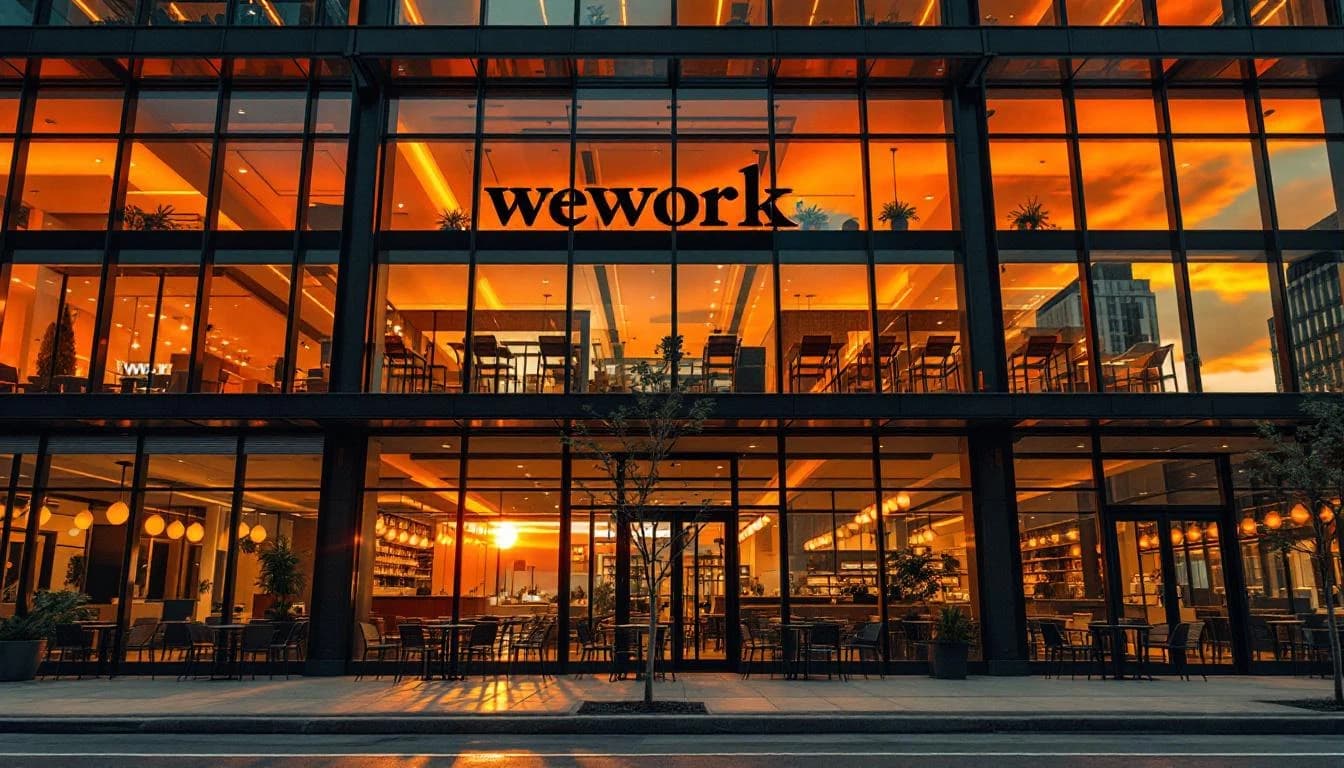
However, beneath the allure of glass-walled offices adorned with industrial-chic decor lay a more complex, precarious reality. Neumann's grandiose narrative created sky-high valuations, but it masked significant operational and financial weaknesses. Prima facie, WeWork seemed like an unstoppable force, rapidly expanding into new territories and industries.
The Symptoms: Surface Success
On the surface, WeWork's expansion seemed like a strategic triumph. The company boasted over 800 locations globally by 2019 and had expanded into WeLive and WeGrow, aiming to disrupt residential living and education. The narrative painted Neumann as a visionary, driving a new urban renaissance. He was compared to iconic figures like Steve Jobs and Elon Musk, with the media and investors clamoring to be part of the “We” revolution.
The symptoms of success were everywhere. Headlines screamed of new funding rounds, celebrity endorsements, and strategic partnerships. Employees spoke of the vibrant culture and mission-driven goals. Yet, whispers about excessive spending, a lack of profitability, and questionable corporate governance began to surface. Monthly recurring revenue (MRR) was touted, but it masked the crippling churn rate and unsustainable lease commitments.
Sources
- 1.Business and Economic ResearchNational Bureau of Economic Research
- 2.Consumer Financial Protection BureauConsumer Financial Protection Bureau
Want more like this?
One email a week with money tips, new tools, and insights you can actually use.
Delivered every Monday.